1.5T vs 3T MRI
Understanding the Benefits of 1.5T vs 3T MRI: Clinical Implications and Post-Processing Advances

Magnetic Resonance Imaging (MRI) systems commonly use magnets with field strengths of either 1.5 Tesla (1.5T) or 3 Tesla (3T). Each has unique advantages depending on the clinical scenario, patient factors, and technological resources available. While 3T systems offer higher signal-to-noise ratio (SNR) and spatial resolution, 1.5T MRI remains a workhorse in clinical practice due to its reliability, lower susceptibility to artifacts, and compatibility with a wider range of hardware, including implants and pacemakers.
One of the key differences between the two systems lies in image clarity and noise levels. A 3T magnet provides nearly double the SNR of a 1.5T system, allowing for either higher resolution or faster scan times. This makes it especially advantageous for detailed brain imaging, musculoskeletal exams, and small lesion detection. However, higher field strength also increases artifacts such as susceptibility, dielectric shading, and inhomogeneity—especially in areas like the abdomen, pelvis, and spine. In contrast, 1.5T systems tend to produce cleaner images in these regions, with more reliable fat suppression and fewer distortion issues near metal implants.
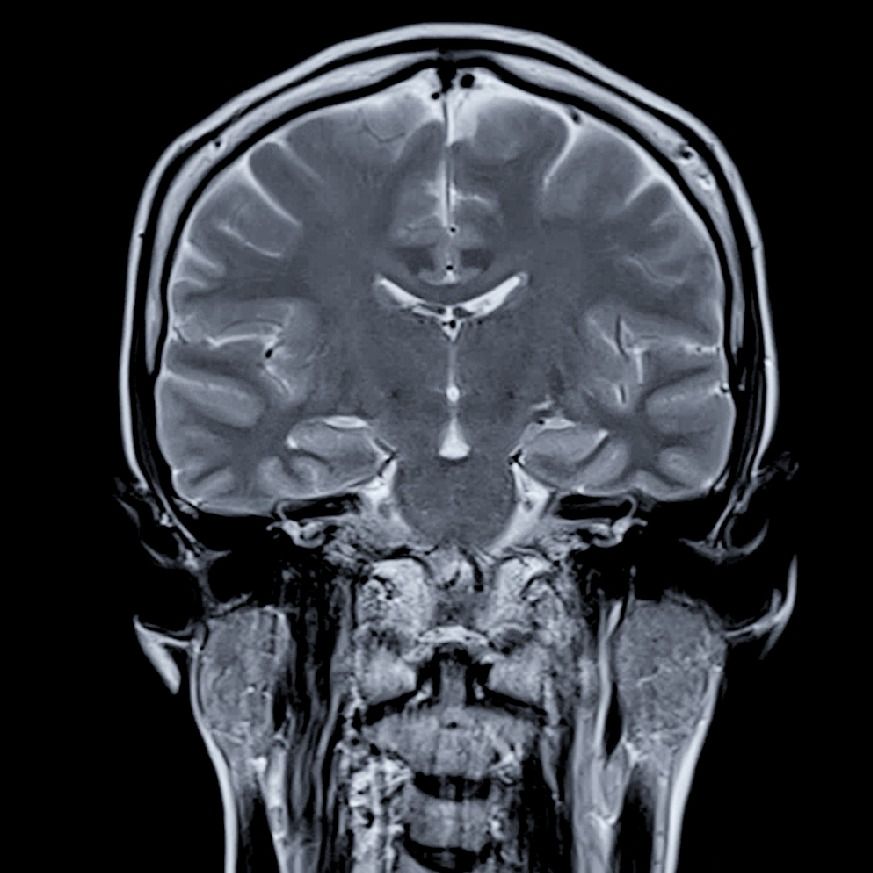
In stroke imaging, particularly diffusion-weighted imaging (DWI), both field strengths can produce diagnostically effective results. However, 3T offers slightly higher sensitivity to early ischemic changes. That said, 1.5T scanners often provide more stable ADC (apparent diffusion coefficient) maps with less distortion, which can be clinically beneficial, especially when post-processing is applied to enhance contrast and suppress background noise. Advanced post-processing software—such as AI-based denoising algorithms, motion correction, and parallel imaging techniques like GRAPPA or SENSE—can elevate 1.5T DWI quality to nearly 3T standards in many cases.

Post-processing software plays a crucial role in maximizing the utility of 1.5T MRI. Tools like maximum intensity projection (MIP) for angiography, automated fat suppression correction, and synthetic imaging allow radiologists to extract more detail even when resolution is limited. AI-assisted denoising and advanced reconstruction algorithms can significantly reduce image noise, improve contrast, and allow for shorter scan times without sacrificing diagnostic quality. Moreover, in environments where 3T MRI may not be available or practical—due to cost, implant restrictions, or artifact concerns—robust post-processing bridges the gap and ensures clinical confidence.
Ultimately, the choice between 1.5T and 3T MRI depends on the clinical question, patient-specific factors, and the technology available. While 3T offers superior resolution in the right patient with quicker scan times there is a tradeoff to these scanners. Therefore, the 1.5T systems remain indispensable—especially when enhanced by modern post-processing software which can negate most of the benefits of the increased resolution in 3T MRI. As MRI technology continues to evolve, the integration of intelligent post-processing will increasingly allow 1.5T systems to deliver diagnostic performance that rivals their higher-field counterparts, ensuring accessible, high-quality imaging across diverse healthcare settings.